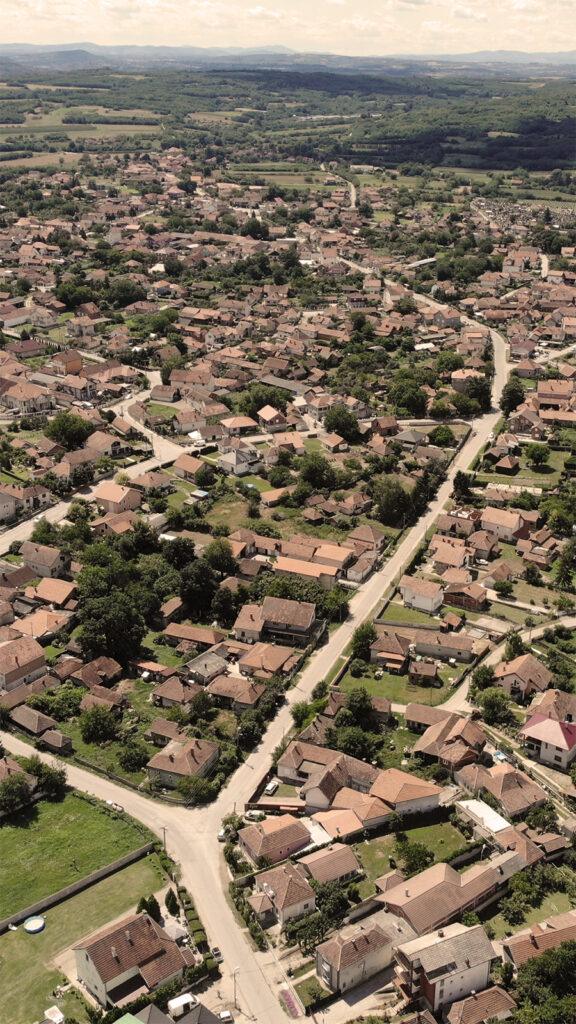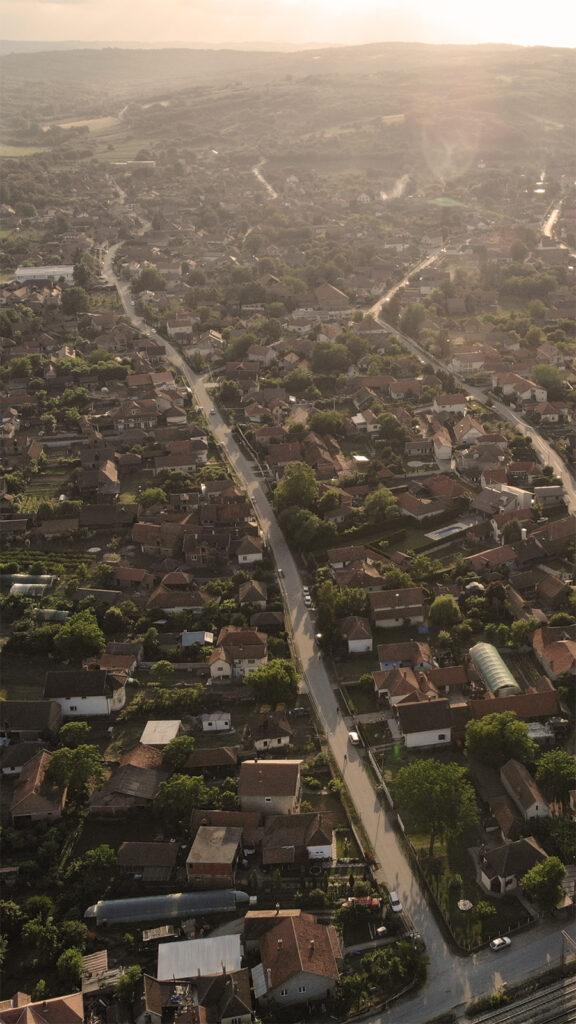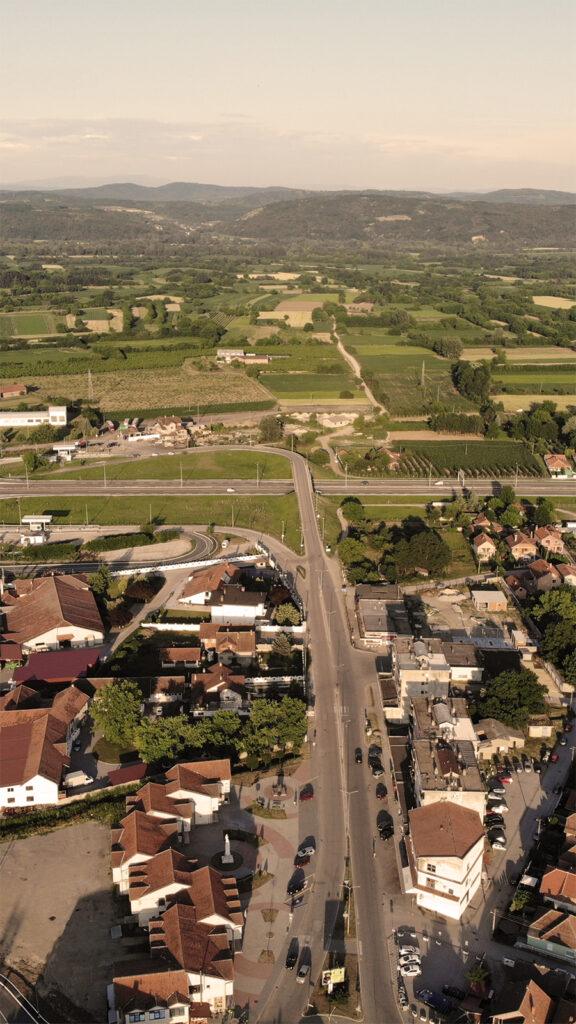
Lapovo is distinguished by its favorable geographical location and natural advantages, which have created excellent conditions for human life since ancient times.
Bronze Age Settlement
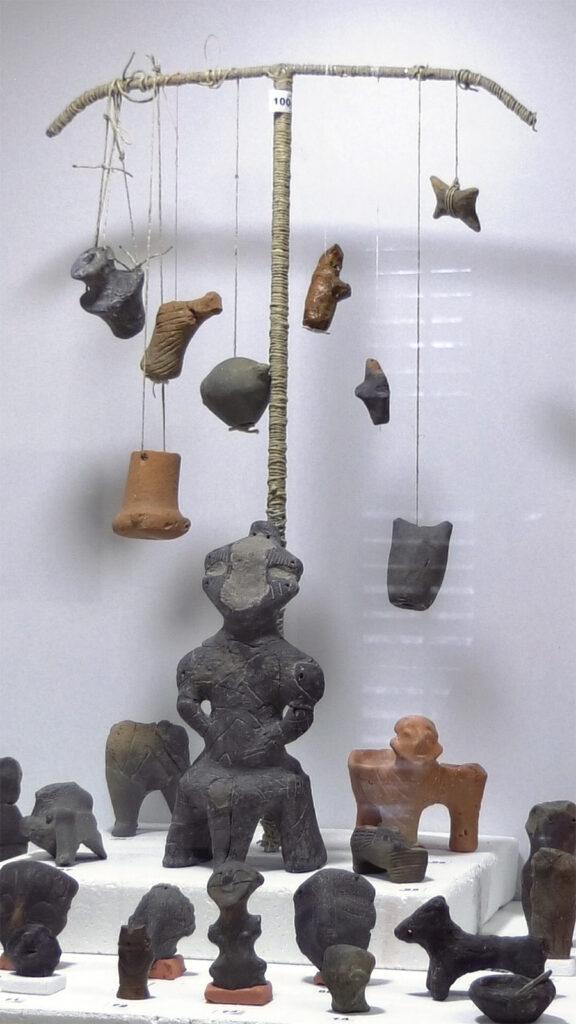
Archaeological findings in the Lapovo area show that settlements existed from the earliest times to the Serbian medieval period at the site of today’s Lapovo Railway Station and its surroundings, where the Lepenica River flows into the Velika Morava plain before joining the Great Morava.
The oldest traces of a settlement were found between the marshalling and passenger railway stations, on the right side of the Belgrade – Niš railway. Remains of a settlement with prehistoric ceramics, decorated with white inlay likely belonging to the Dubrava-Žutobrdska group, exist at this location.
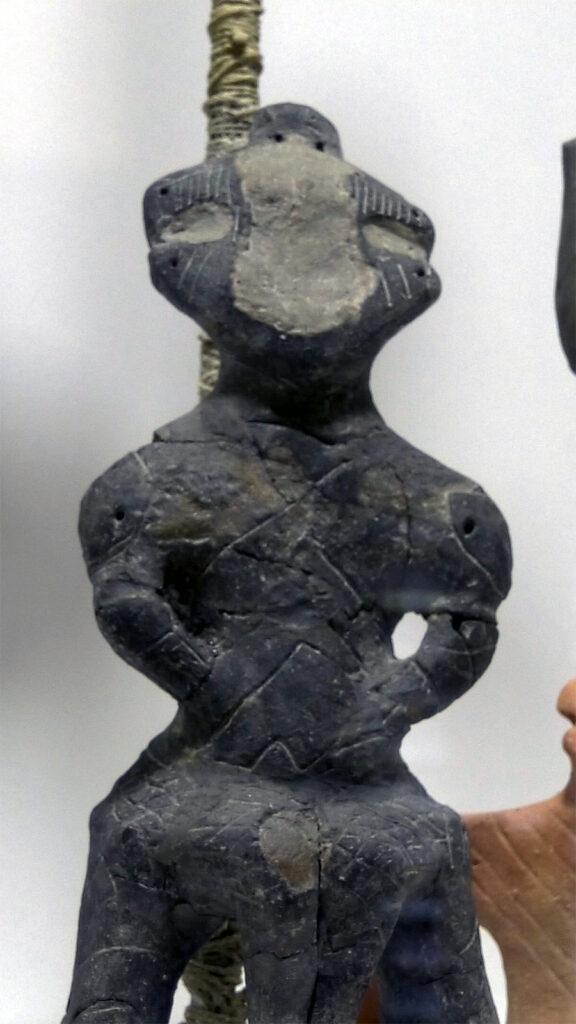
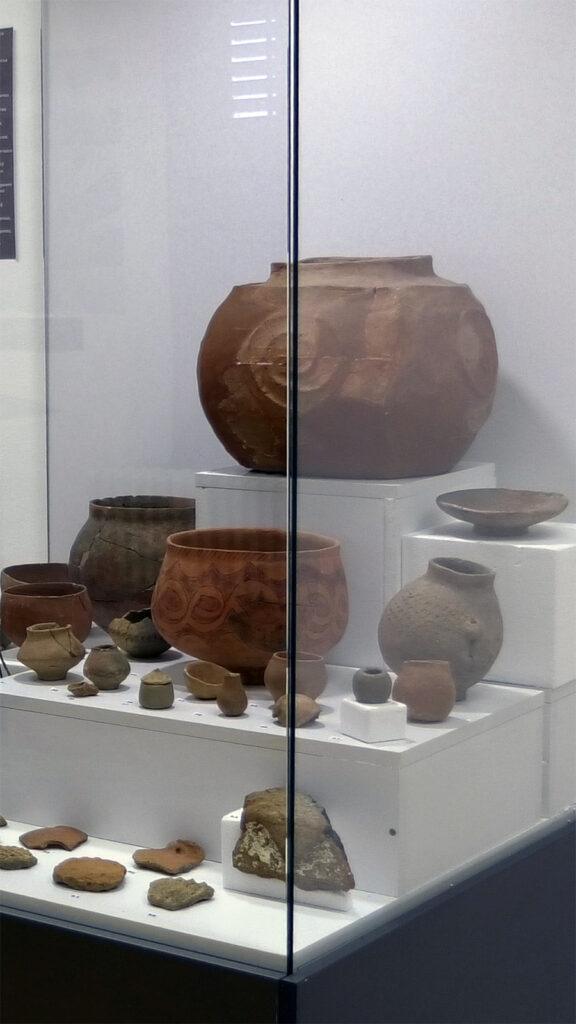
Shavac Site
Almost at the same location as the prehistoric settlement, a small Roman settlement was established in antiquity at the Shavac site, where building and wall remains are still visible today. South of the railway station, about 300 meters away, remains of an ancient building were discovered near the first railway guardhouse.
Old walls extended into the settlement area of present-day Lapovo, where there are also remains of other ancient buildings and across the railway tracks. Due to its favorable geographical and strategic position, a medieval settlement also existed at the site of the Roman settlement on the Shavac slope, mentioned in 1381 in the charter of Prince Lazar, by which he gifted certain areas and villages, including the village of Shavche, to the Ravanica Monastery.